15 Best Places to Visit in Colombo: The Explorer’s Logic for Salt-Crust and Neon
Stop treating Colombo as a checklist of generic sightseeing places. Most travelers see the traffic and assume the city has no soul. This guide reveals the secret pulse of the harbor and the wetlands through a logic that respects the city's specific timing and terrain.

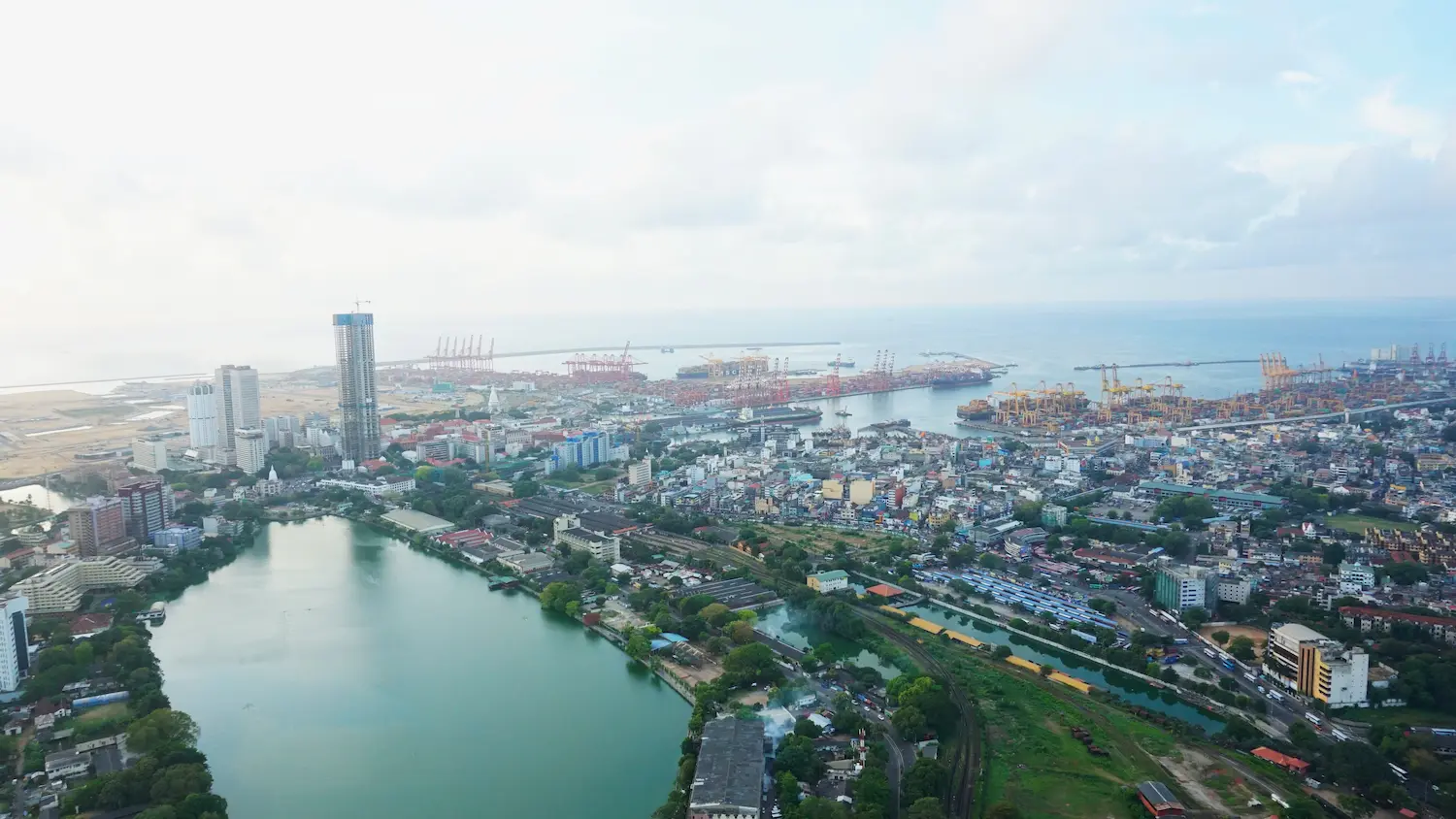
The Explorer's Logic: Stop treating Colombo as a checklist of generic visiting places. Most travelers see the traffic and the glass towers and assume the city has no soul. They are wrong. Colombo doesn’t give itself away to those sitting in AC vans; it reveals itself in the salt-crust on colonial brickwork and the specific way the humidity carries the scent of tempered spices in Pettah. If you’re looking for the standard colombo sightseeing places, any map will do. But if you want to understand the rhythm of the harbor and the secret pulse of the wetlands, you need a logic that respects the city's timing and its terrain.
Logbook Summary
| 📍 Location | Greater Colombo (Kelaniya to Mt. Lavinia) |
| ⏰ Optimal Logic | Early Mornings for Spirit; Midday for History; Evenings for Coast. |
| 🏔️ Difficulty | Level 1: Flat terrain, but the humidity is a physical weight. |
| 👨👩👧👦 Family Note | Wetland parks are a sanctuary for kids; avoid Pettah with strollers. |
| 🚜 Access Mode | Use 'PickMe' Tuks for short hops; the 101 Bus for the coastal stretch. |
I. The Spiritual & Historical Foundations
The soul of Colombo isn't in its malls, but in the places where the chanting or the thick colonial walls drown out the city's modern roar.
Historical Field Note: Kelaniya
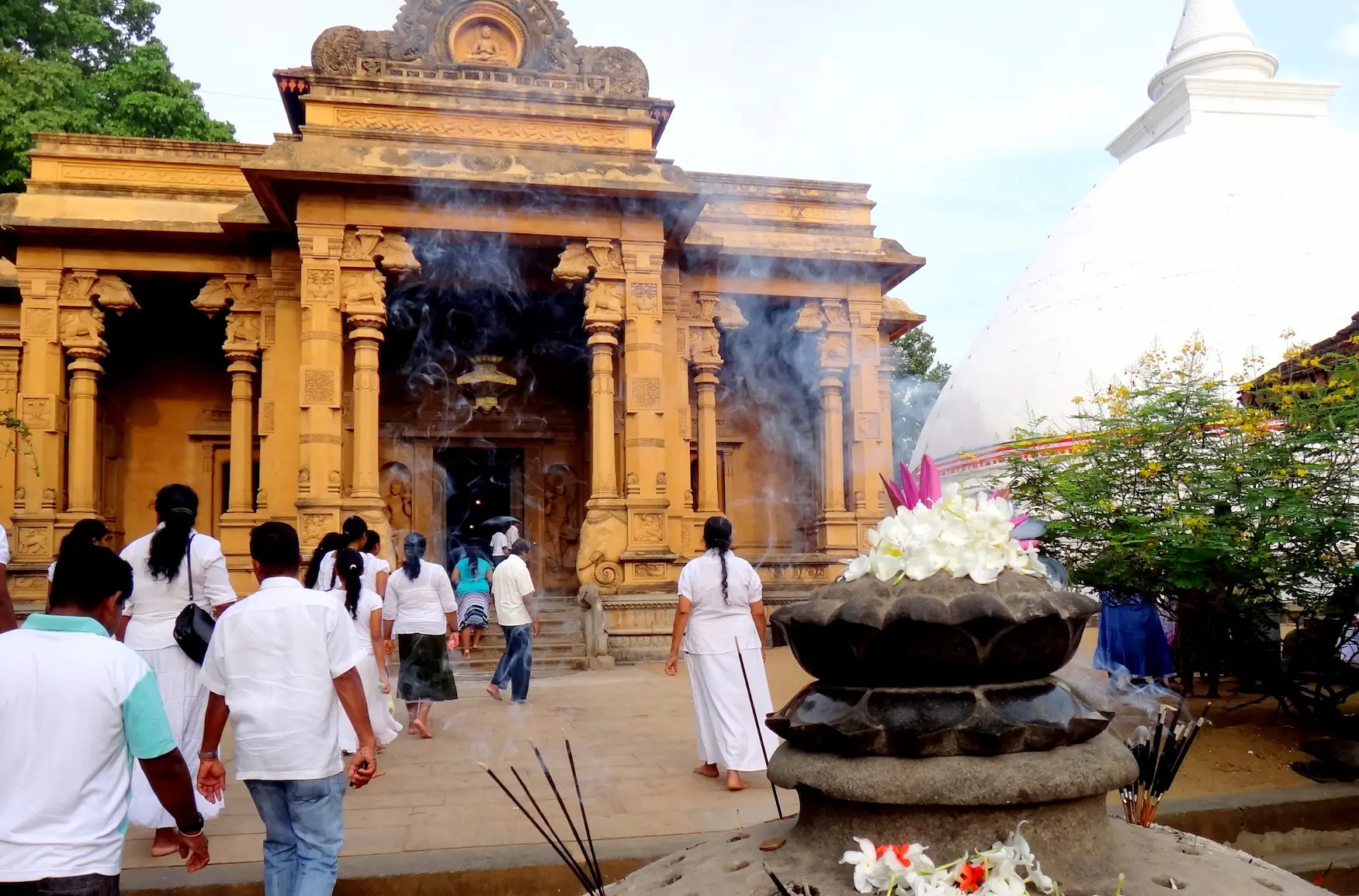
"Before the first Portuguese ship was even sighted off the coast, Kelaniya was the island's spiritual anchor. Legend says the Buddha bathed in the river here to settle a dispute between Naga kings. When you touch the stone carvings today, you aren't just looking at art; you're touching the point where the city's history actually began, 2,500 years before the concrete took over."
[Kelaniya Raja Maha Vihara]
The morning mist is still burning off the Kelani River, carrying the thick, sharp scent of woodsmoke and crushed jasmine. The stone floor is cool underfoot, and the low, rhythmic chanting vibrates against the ancient brickwork. You aren't just looking at a temple; you're standing at the atmospheric anchor where the city's history actually began.
- Type: Ancient Spiritual Epicenter
- Best Photo Spot: The western courtyard entrance framing the main stupa against the low-angled morning sun.
- Time Spent: 1.5 hours.
- The Reality Check: The stone courtyard tiles will scald your bare feet by 10:00 AM. Go early or bring thick socks.
- The Logic: Hitting this at 7:00 AM means avoiding both the blistering heat and the chaotic midday crowds, letting you actually observe the architectural details in peace.
[The Red Mosque (Jami Ul-Alfar), Pettah]
Pettah at this hour smells like roasted cumin, diesel exhaust, and raw commercial energy. The mosque itself cuts through the smog with its aggressive, red-and-white pomegranate stripes. It’s loud, chaotic, and completely vital to understanding the city’s complex trade mechanics.
- Type: Indo-Saracenic Architecture
- Best Photo Spot: Across the narrow street, using a wide-angle lens to capture the chaotic foreground of porters moving heavy sacks beneath the geometric facade.
- Time Spent: 45 minutes.
- The Reality Check: The porters ('Nattami') pulling heavy wooden carts have the right of way. Stay out of their path or you will get run over.
- The Logic: The morning light cuts cleanly down the narrow commercial streets before the noon smog diffuses the contrast.
[11:30 AM] – [National Museum & Independence Square]
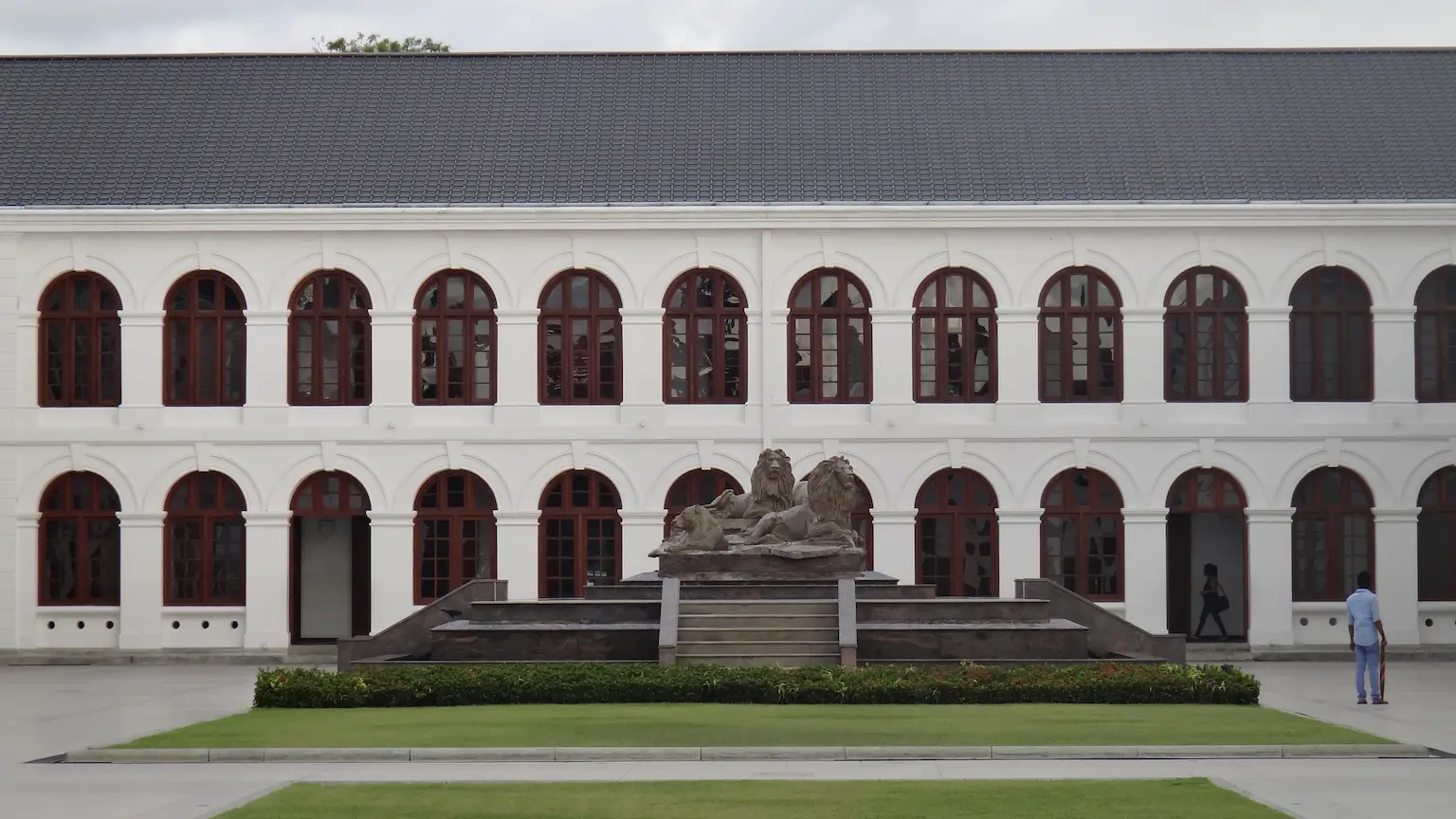
When the equatorial heat hits its peak, the thick walls of this white Italianate structure drop the ambient temperature by ten degrees. The air inside smells faintly of old paper, polished wood, and preserved history. It’s quiet, cavernous, and offers a total thermal reset from the concrete radiation outside.
- Type: Colonial Archive
- Best Photo Spot: The main staircase leading up to the Royal Throne, utilizing the natural directional light filtering from the high windows.
- Time Spent: 2 hours.
- The Reality Check: The ventilation in some of the deeper galleries is poor. Carry your own water.
- The Logic: This is your tactical "Heat Buffer." You are using the museum's structural thermal mass to survive the worst of the midday sun.
II. The Green Logic: The Wetland Lung
Colombo is a city built on a marsh. To understand its geography, you have to leave the asphalt and enter the "sponge" that keeps the capital dry.
Historical Field Note: The Diyawanna Marsh
"The waters of the Diyawanna Oya aren't just for swan boats. In the 14th century, this marsh served as the natural moat for the Kingdom of Kotte. The 'Wetland Strategy' isn't new; the ancient kings knew that the mud and the reeds were the city's best defense against both floods and invaders."
[03:30 PM] – [Beddagana & Diyasaru Wetland Parks]
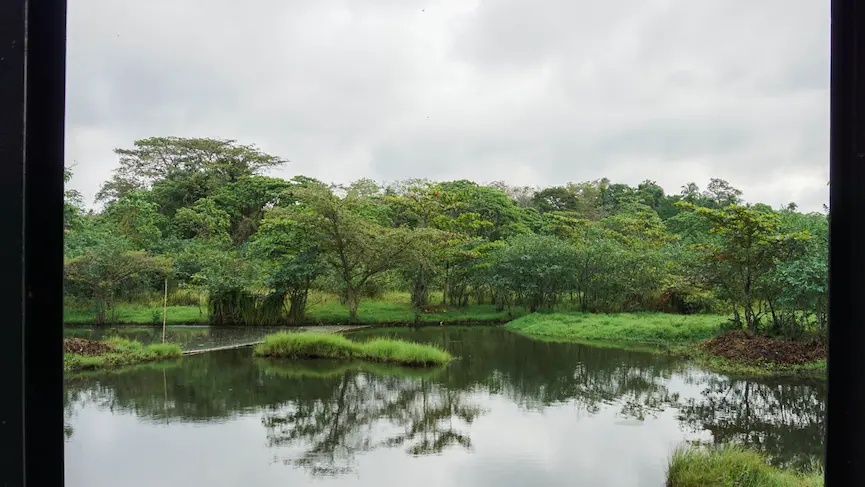
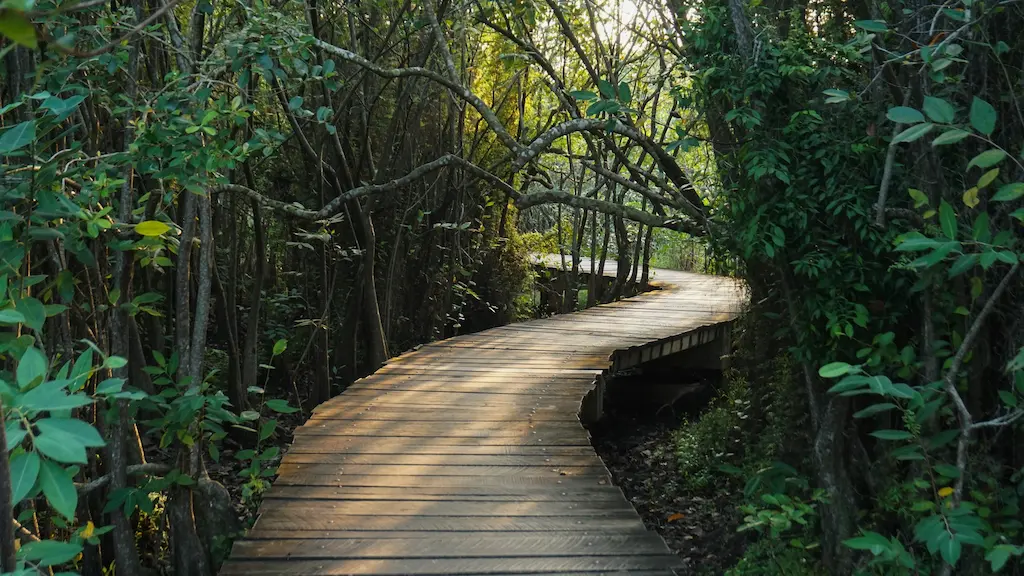
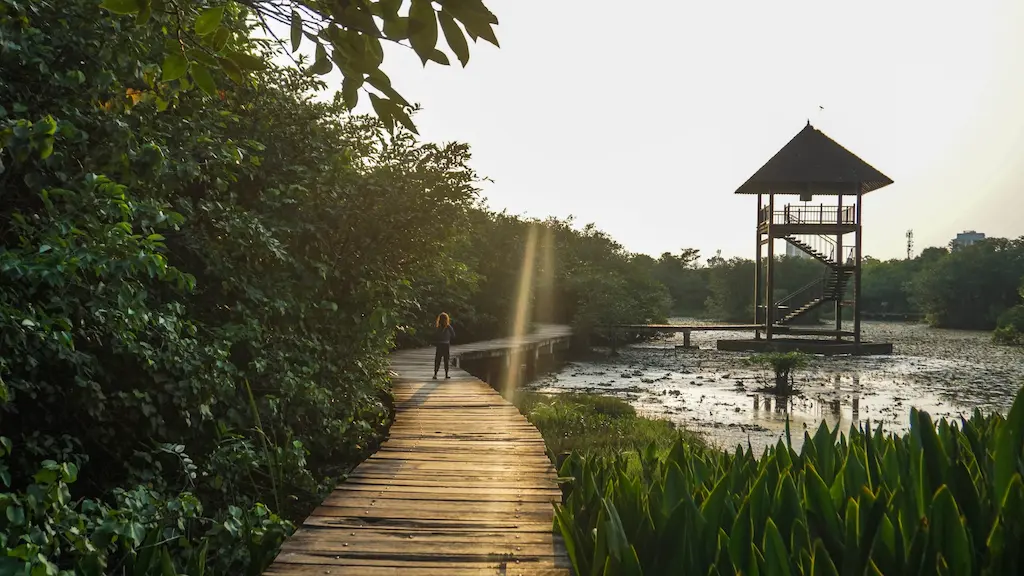
The asphalt gives way to muddy tracks and the heavy, metallic smell of stagnant water and blooming lotuses. The cicadas start winding up their mechanical hum as the jungle canopy filters the harsh light into a soft, golden haze. This is Colombo's natural sponge, totally detached from the urban grid.
- Type: Engineered Marshland
- Best Photo Spot: The wooden observation tower, looking down at the intersection of dense wild reeds and the distant glass skyline.
- Time Spent: 1.5 hours.
- The Logic: The late afternoon temperature drop activates the local birdlife, giving you the highest statistical probability of spotting Purple Herons.
[05:00 PM] – [Diyawanna Oya & Diyatha Station]
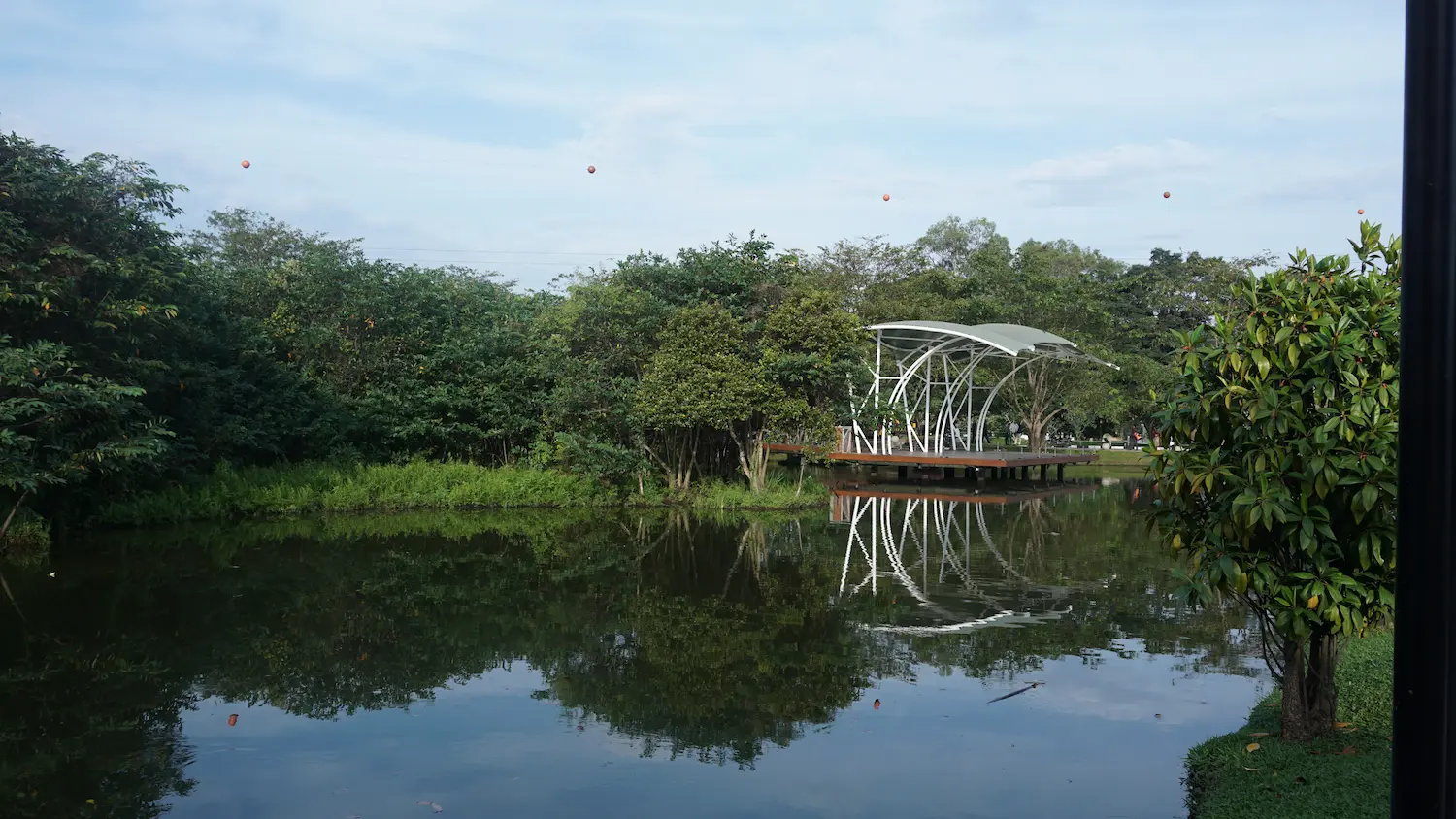
You pedal a swan boat onto the engineered lake, the water heavy and brown beneath you. By the time you dock, the air smells of woodsmoke and roasting meats from the repurposed train carriages at Diyatha Station. The low vibration of the water creates a sensory bridge to the island's rail history.
- Type: Wetland Commerce & Dining
- Best Photo Spot: Across the water just as the lights of Parliament click on, reflecting symmetrically on the lake's surface.
- Time Spent: 2 hours.
- The Reality Check: The food stalls get aggressively busy by 7:00 PM. Lock down a table by 5:30 PM.
- The Logic: The transition from physical output (pedaling the boats) to immediate caloric intake (train carriage dinner) is geographically perfectly aligned here.
III. The Reclaimed Frontier
The skyline is changing, and these spots provide the best technical views of the island's expansion.
Historical Field Note: The Port City
"This isn't just a beach; it’s 269 hectares of geological intervention. Millions of cubic meters of sand were sucked from the ocean floor to create a new horizon. For an explorer, the real 'Information Gain' is in the shipwrecks just off the shelf—ancient maritime disasters now being slowly integrated into a 21st-century landscape."
[05:40 PM] – [Lotus Tower (Nelum Kuluna)]
You are standing 29 floors above the earth, 20 minutes before sunset. The wind here is steady and carries the sharp tang of salt, while below, the city transitions into a glowing, neon circuit board. The industrial groan of the harbor cranes fades into the background hum of traffic.
- Type: High-Altitude Observation Deck
- Best Photo Spot: The western glass panel exactly 15 minutes after sunset to capture the contrast of the dark ocean against the city's high-pressure sodium lights.
- Time Spent: 1 hour.
- The Reality Check: Weekend queues for the elevators will drain your will to live. Execute this on a weekday.
- The Logic: This elevation gives you the ultimate topological survey of the city, perfectly timed to capture both the daylight geography and the nocturnal grid.
[04:30 PM] – [Port City Beach & Activities]
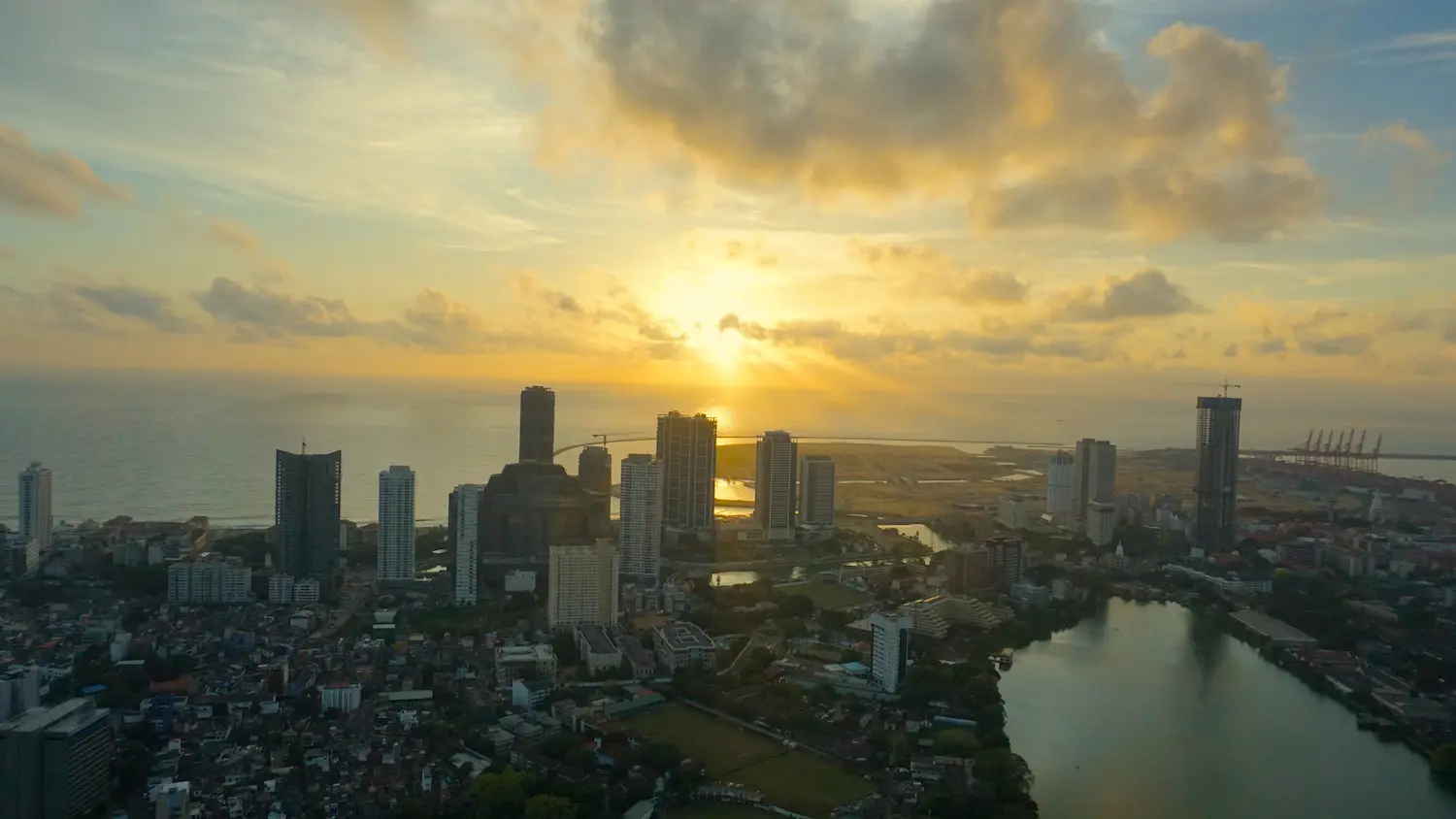
You are standing on 269 hectares of pure geological intervention. Millions of cubic meters of sand pumped from the ocean floor form this artificial coastline. The wind whips up loose grit, and the sound of ATV engines tears across the dunes.
- Type: Reclaimed Landmass
- Best Photo Spot: The edge of the artificial shelf looking back at the Colombo skyline as the glass buildings reflect the lowering sun.
- Time Spent: 1.5 hours.
- The Reality Check: Tuk-tuks and bikes are prohibited from entering Gate 2. You must have a private vehicle or use a registered taxi app.
- The Logic: You arrive as the sun loses its bite, allowing for comfortable ATV dune riding and sunset kayaking.
[Sambodhi Chaithya, Port Temple]
You are climbing a massive concrete arch suspended above the ground. The wind coming off the Laccadive Sea is heavy and salty, tangling with the smell of marine diesel. From the top, you are looking directly down into the raw industrial heartbeat of the harbor's shipping containers.
- Type: Elevated Concrete Stupa
- Best Photo Spot: The structural legs of the arch from the ground, pointing the lens straight up to emphasize the brutalist engineering holding the temple.
- Time Spent: 45 minutes.
- The Reality Check: The stairs are steep and exposed. The wind here will rip a loose hat right off your head.
- The Logic: Post-lunch is the best time to observe the deep-water harbor operations at maximum efficiency.
IV. The Outer Perimeter: Greater Colombo Escapes
[08:30 AM] – [Seethawaka Botanical Garden, Avissawella]
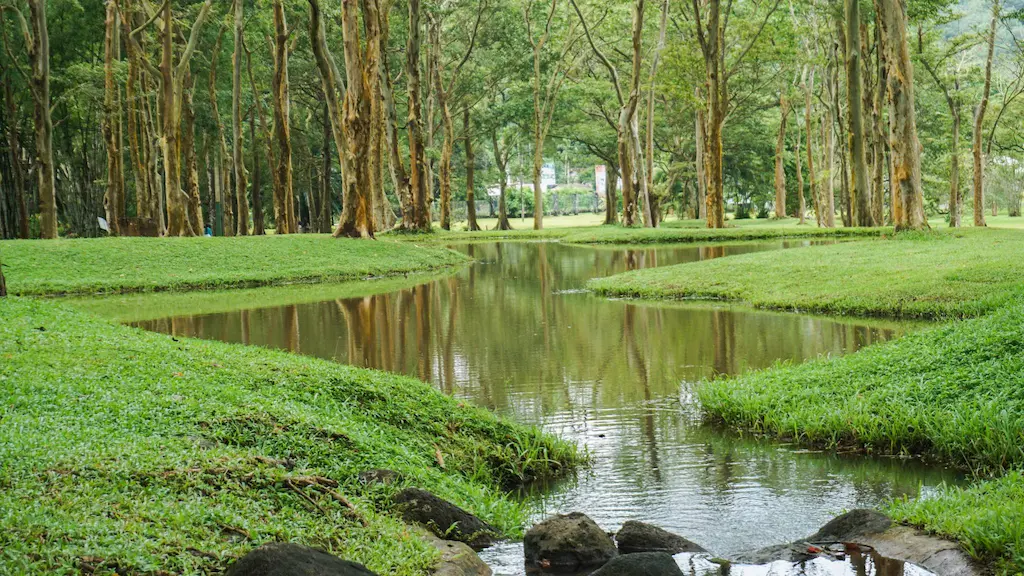
The air here is damp and heavy with the smell of wet earth and the massive, peeling trunks of Terminalia arjuna trees. This is 106 acres of reclaimed tea and rubber plantation that has been engineered to mimic a primary rainforest. You can feel your lungs physically expand as you leave the diesel fumes of the city grid behind for the raw, red earth of the Kelani Valley.
- Type: Reclaimed Botanical Terrain
- Best Photo Spot: The lower grass clearings where the massive, exposed roots of the Terminalia arjuna trees meet the edge of the running water stream. Position yourself low to capture the water's movement against the wood.
- Time Spent: 2.5 hours.
- The Reality Check: The elevation gain isn't actually a tough hike, but the sheer 106-acre footprint and the heavy valley humidity will drain your reserves. If you want to preserve your energy strictly for the stream beds, there is no shame in skipping the hill route entirely and renting the electric golf cart.
- The Logic: You arrive early to beat the heavy, predictable afternoon rains that completely wash out this specific microclimate. Plus, the morning light cuts perfectly through the dense canopy to illuminate the water stream.
[11:00 AM] – [Pearl Bay, Bandaragama]
The smell of hot asphalt and burning rubber hits you the second you clear the Kahathuduwa exit. On the SpeedBay side, the air vibrates with the high-pitched whine of Sodi RT10 V2 karts pushing 90km/h. On the SplashBay side, the sound of thousands of gallons of chlorinated water crashing down European-standard slides dominates the atmosphere.
- Type: High-Velocity Testing Ground & Aquatic Park
- Best Photo Spot: Panning shot at the hairpin turn of the FIA-CIK certified track.
- Time Spent: 3 hours.
- The Reality Check: Weekend crowds create a massive bottleneck on the slides. A weekday visit is mathematically necessary to maximize ride time.
- The Logic: You hit the water slides when the sun is highest, using the water as a primary cooling mechanism.
V. The Coastal Ritual
The city ends where the rail tracks meet the sand. This is where your excavation should always finish.
[06:00 PM] – [Mount Lavinia & Dehiwala Beach]
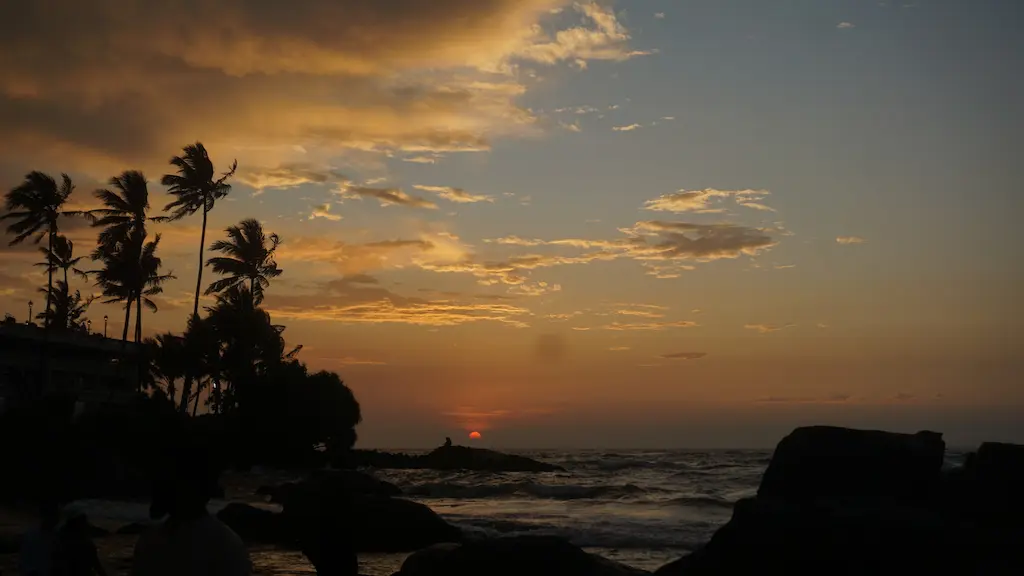
You arrive exactly as the equatorial sun starts to burn out over the Laccadive Sea, casting hard, horizontal shadows across the rusted rail lines. The air is thick with heavy humidity, frying garlic, and salt spray as you sink into a plastic chair on the cooling sand. By the time the sky bruises into night and you order dinner, you are waiting for the massive, physical vibration of the coastal Night Mail train tearing past just meters from your table.
- Type: Coastal Railway Strip
- Best Photo Spot: A low angle near the tracks, timing the solar descent with a slow shutter speed to capture the motion blur of the commuter train against the static beach shacks.
- Time Spent: 2.5 hours.
- The Reality Check: Do not swim here at dusk or night; the coastal shelf drops abruptly and the rip currents are mathematically unforgiving. Stay on the sand.
- The Logic: Arriving at 18:00 gives you the exact light transition from daytime radiation to the neon glow of the beach restaurants, perfectly setting up the intersection of heavy industrial railway power and your final coastal dinner.
🗄️ The Data Archive
Planning a deeper route? Access the Master Field Index for a structured database of 15 years of Sri Lankan field locations, including exact timings for 130+ waterfalls, digital nomad hubs, and heritage sites.